Delivery Operations and Order Recovery
One system runs the delivery cycle, understands Iraqi WhatsApp messages and addresses, and turns a failed order into a replacement opportunity instead of a loss.
Swipe or select a preview
Overview
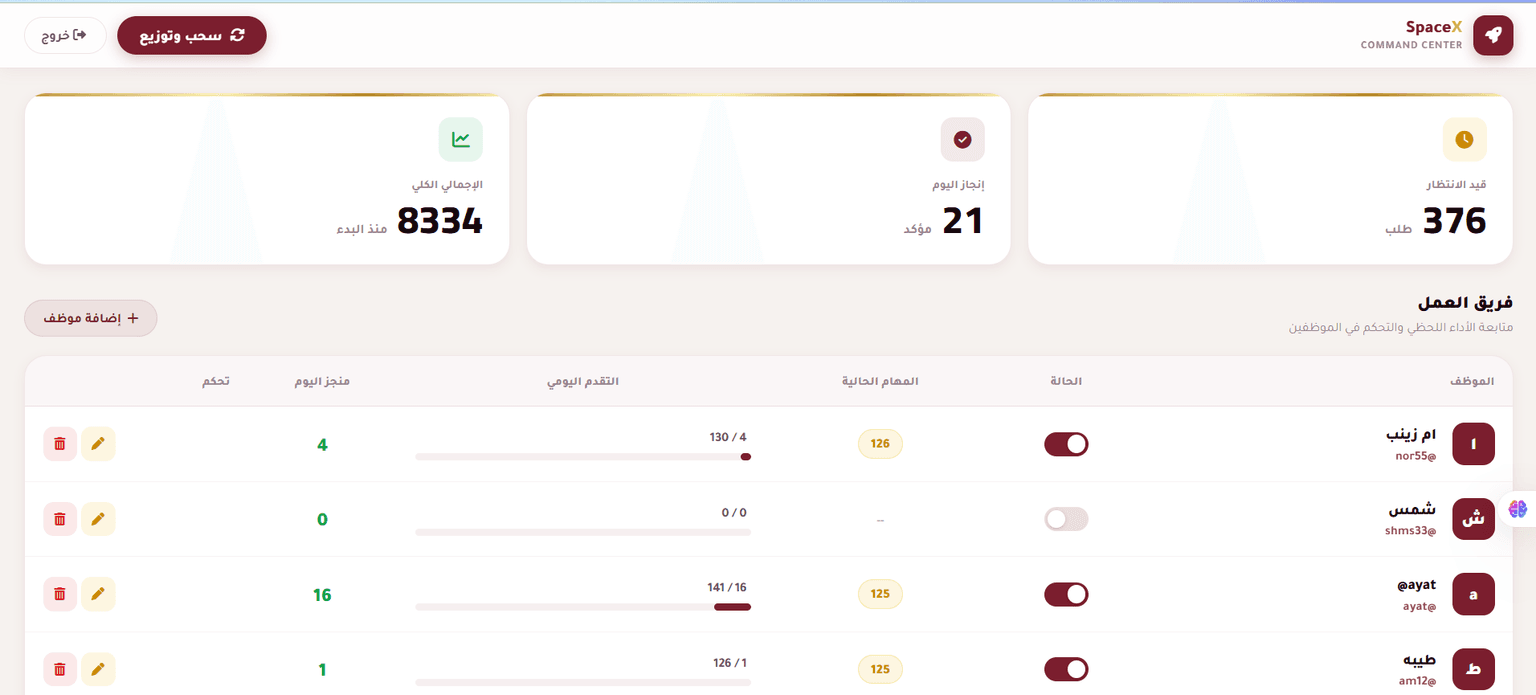
An operations platform that controls delivery from order intake to completion. It connects role-based workspaces, WhatsApp confirmations, delivery-provider APIs, live tracking, team performance, and an order-recovery engine in one place. The AI layer understands Iraqi dialect and informal addresses, cleans inconsistent order data, reads delivery updates from WhatsApp messages, and searches for the best replacement customer by area, product, and price. Instead of moving between spreadsheets, messages, and disconnected decisions, the team sees and runs the whole operation from one synchronized workspace.
About the Project
One system runs the delivery cycle, understands Iraqi WhatsApp messages and addresses, and turns a failed order into a replacement opportunity instead of a loss.
Tech Stack
Challenges
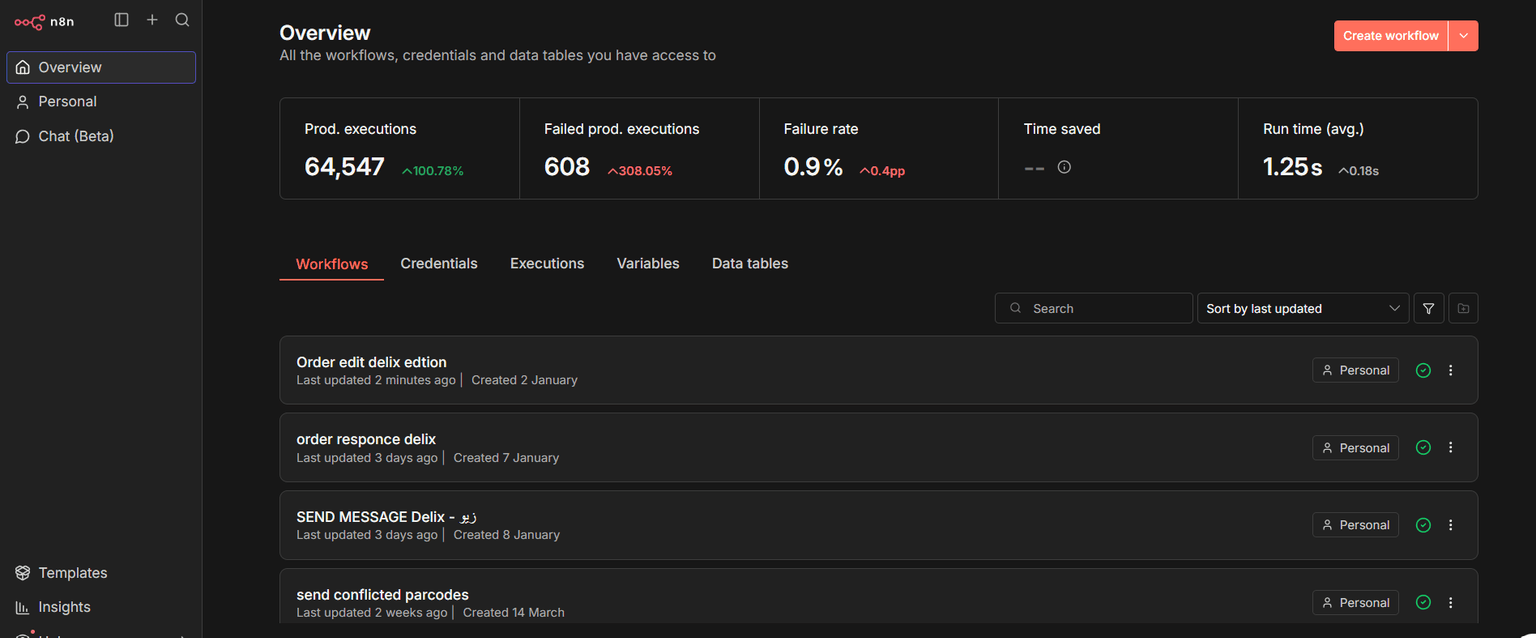
Order data arrived with inconsistent phone numbers, prices, product names, and addresses, while delivery states changed continuously through informal WhatsApp messages. When an order failed, staff had to search hundreds of records for a suitable replacement customer in the same area with a comparable product and price. I built layers that clean and standardize the data, understand Iraqi dialect, connect to the delivery provider by API, monitor orders and team performance, recommend the closest suitable replacement, and synchronize confirmation, status, and assignment in real time.
Results & Impact
The platform turned a fragmented process into one operation covering order creation, customer communication, team management, delivery tracking, exception handling, and recovery. In the documented operating view, it managed 408 orders, recorded 250 completed deliveries, tracked 158 pending orders, and processed 61 replacements in one day. A failed delivery is no longer simply a lost order: it becomes the starting point for a fast, evidence-based replacement, with less manual searching and a clearer view for the team.